
Brake Inspection Warning Signs for Park Ridge, IL Commuters
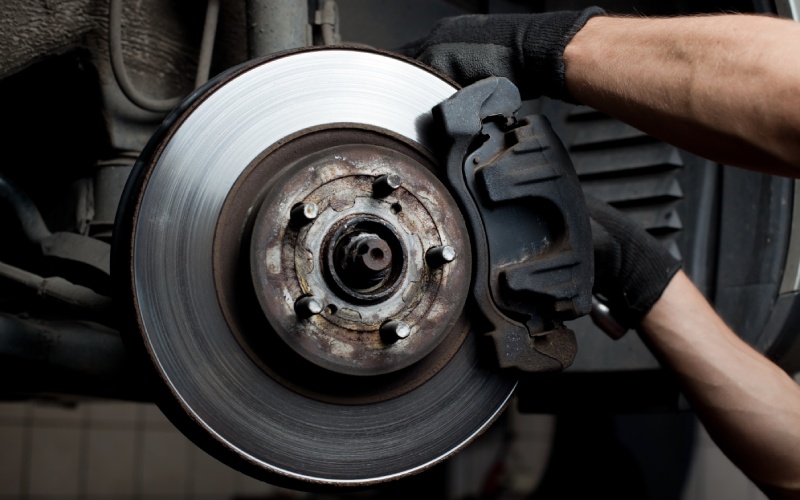
Jidd Motors Mitsubishi - Brake Inspection Warning Signs for Park Ridge, IL Commuters
Brake concerns are among the most important service issues for Park Ridge drivers because daily routes often include a mix of residential streets, school zones, stop-and-go traffic, and quick access to major roads leading toward Des Plaines, Chicago, and O'Hare. If your vehicle is making noise when stopping, taking longer to slow down, vibrating through the pedal, or showing a brake warning light, it is worth scheduling an inspection rather than waiting for the condition to worsen. Brake systems do not usually fail without warning; instead, drivers often notice small changes first. A squeal, grind, pull, pulse, or burning smell can point to worn pads, uneven rotor surfaces, sticking calipers, low brake fluid, or other service needs. Because braking performance affects everyday confidence, especially around busy intersections and tight parking areas, a professional inspection helps identify the exact source of the concern.
Common Brake Symptoms Drivers Should Not Ignore
One of the most common signs of brake wear is a high-pitched squeaking or squealing noise. Some brake pads include wear indicators designed to create a noticeable sound when the pad material is low. Grinding is more serious because it can indicate metal-to-metal contact, which may damage rotors and increase repair complexity. A pulsing pedal can suggest uneven rotor surfaces, while a soft pedal may point to hydraulic system concerns. If the vehicle pulls to one side while braking, uneven pad wear, caliper movement, tire issues, or suspension concerns may be involved. A burning odor after repeated hard braking should also be taken seriously. The safest approach is to describe the symptom clearly when scheduling service so our technicians can inspect the related components efficiently.
- Squealing noise: Brake pad wear indicators may be alerting you that inspection or replacement is needed.
- Grinding sound: Pad material may be severely worn, and rotor damage may already be occurring.
- Steering wheel vibration: Rotor surface variation, tire issues, or front-end concerns may need diagnosis.
- Soft brake pedal: Brake fluid, hydraulic components, or air in the system may require inspection.
- Vehicle pulling while braking: Uneven braking force, caliper operation, or tire condition may be contributing.
Park Ridge traffic can make brake wear feel more noticeable because drivers often accelerate and stop repeatedly in short distances. Trips to schools, grocery stores, parks, medical offices, train stations, and airport-area workplaces can all add up. A vehicle used primarily for short local driving may still experience brake wear even if annual mileage seems modest. Weight matters too. SUVs and crossovers carrying passengers, cargo, child seats, work gear, or luggage may put added demand on pads, rotors, and calipers. If your drive regularly extends near Rosemont, IL, Des Plaines, or Chicago, changing traffic speeds and frequent braking can make consistent stopping performance even more important.
What Happens During a Brake Inspection?
A brake inspection is more than a quick glance at the wheels. A trained technician checks pad thickness, rotor condition, caliper movement, brake lines, fluid level, hardware, and related warning lights. If the vehicle has an electronic parking brake or advanced safety features that interact with braking, proper diagnostic steps matter. At Jidd Motors Mitsubishi, our certified technicians service Mitsubishi vehicles most often, but our service department can work on many makes and models. We also have access to genuine Mitsubishi OEM parts through our onsite parts department for Mitsubishi models that need components designed for the correct make, model, trim, and model year. If your vehicle needs additional maintenance during the same visit, our team can review oil changes, tire rotations, alignments, battery checks, and cabin air filter replacement as well.
Drivers sometimes ask whether every brake noise means pads must be replaced. Not always. Dust, moisture, pad material, rotor condition, and hardware movement can all contribute to noise. However, only an inspection can separate a minor issue from a problem that can affect stopping power or lead to more extensive repairs. The same is true for vibration. A pulsing pedal may be caused by rotor thickness variation, but tires, wheels, suspension components, and alignment can also influence how braking feels. That is why professional diagnosis is valuable. Replacing parts without confirming the source can miss the actual cause. A careful inspection helps prioritize what is needed now and what can be monitored later.
How Brake Service Fits Into a Larger Maintenance Plan
Brake service often connects with tire condition, alignment, suspension health, and fluid maintenance. Uneven tire wear can affect braking stability. Poor alignment can change how the vehicle tracks during deceleration. Worn suspension components can make stopping feel less controlled. Brake fluid condition matters because fluid transfers pedal force through the hydraulic system, and contamination or low levels can reduce performance. If you are planning a longer drive, preparing for a vehicle appraisal, or trying to keep an older vehicle reliable, brake inspection belongs near the top of your maintenance list. Our service team can also help with online scheduling, Ask a Tech questions, and after-hours key drop if your schedule makes daytime drop-off difficult.
- Listen for brake noise during low-speed stops in a safe area.
- Notice whether the vehicle pulls, shakes, or needs more distance to stop.
- Check whether any brake or traction warning lights are illuminated.
- Schedule an inspection before grinding, burning smells, or pedal changes become severe.
- Ask about related maintenance if tires, alignment, or suspension feel unusual.
Frequently Asked Questions:
How long do brake pads usually last?
Brake pad life depends on driving style, vehicle weight, road conditions, and how often the vehicle stops in traffic. Local commuting with frequent braking can wear pads faster than steady highway driving.
Can I drive if my brakes are squeaking?
A short squeak does not always mean immediate danger, but ongoing squealing should be inspected. Grinding, pedal changes, warning lights, or reduced stopping power call for prompt service.
Should rotors always be replaced with brake pads?
Not always. Rotor condition, thickness, surface quality, and manufacturer specifications determine whether resurfacing, replacement, or continued use is appropriate.
Can brake service be scheduled with other maintenance?
Yes. Many drivers combine brake inspections with oil changes, tire rotations, alignment checks, battery service, or detailing to make one appointment more productive.
If your vehicle is showing brake symptoms, scheduling an inspection is the best next step. Our service department is located at 1313 Rand Rd in Des Plaines, making brake service convenient for Park Ridge drivers, airport-area commuters, and motorists traveling near Rosemont, IL. Use online scheduling, call our service team, or submit an Ask a Tech request if you want help describing the concern before your visit. Reliable brakes support everyday confidence, and our team is ready to help you keep your vehicle stopping smoothly, safely, and predictably.
Request more 2026 Mitsubishi information