
Conventional vs Synthetic Oil Change near Rosemont, IL: What Drivers Should Know
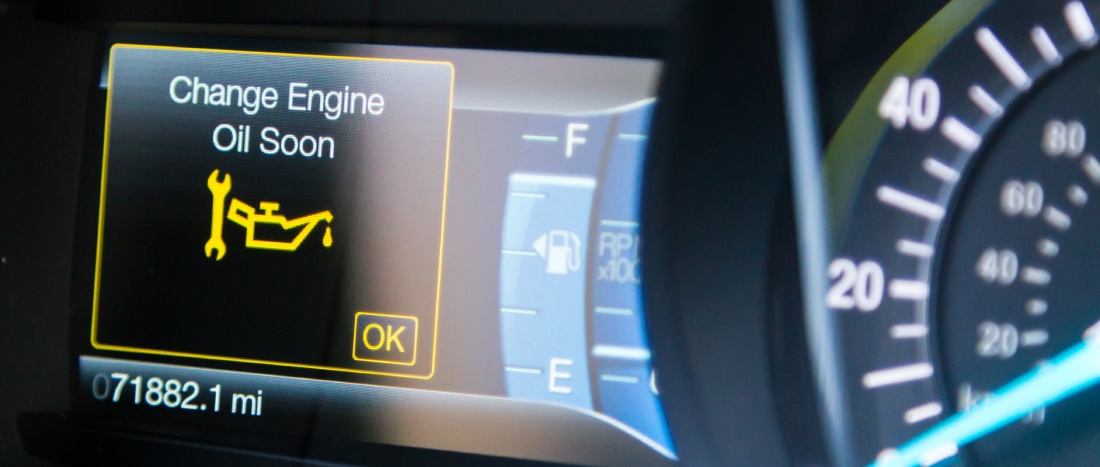
Conventional vs Synthetic Oil Change near Rosemont, IL: What Drivers Should Know
Choosing between a conventional vs synthetic oil change can feel simple at first, but the right answer depends on your engine design, mileage, driving habits, and maintenance history. Conventional oil is refined from crude oil and has long been used for routine engine lubrication. Synthetic oil is engineered for more consistent molecular structure, helping it resist breakdown, flow well at start-up, and protect modern engines under higher heat and tighter tolerances. For drivers searching for an oil change near Rosemont, IL, this choice often matters because local routines can include short trips around O'Hare-area roads, stop-and-go traffic on Mannheim Road, and steady highway miles on I-90 or I-294. At Jidd Motors Mitsubishi, we focus on matching oil type to the vehicle, not forcing a one-size-fits-all answer. Many late-model Mitsubishi vehicles and pre-owned luxury models may call for synthetic or synthetic blend oil, while some older vehicles may still be compatible with conventional oil when allowed by the manufacturer. The most important reference is always the owner's manual, because it specifies viscosity, oil standard, and service interval. Our certified technicians understand Mitsubishi models like the Outlander, Eclipse Cross, Outlander Sport, and Mirage, and our service center also works on many other makes and models. A proper oil change also includes a filter replacement, fluid-level review, and a look for early signs of leaks or wear, helping your vehicle stay dependable for daily driving.
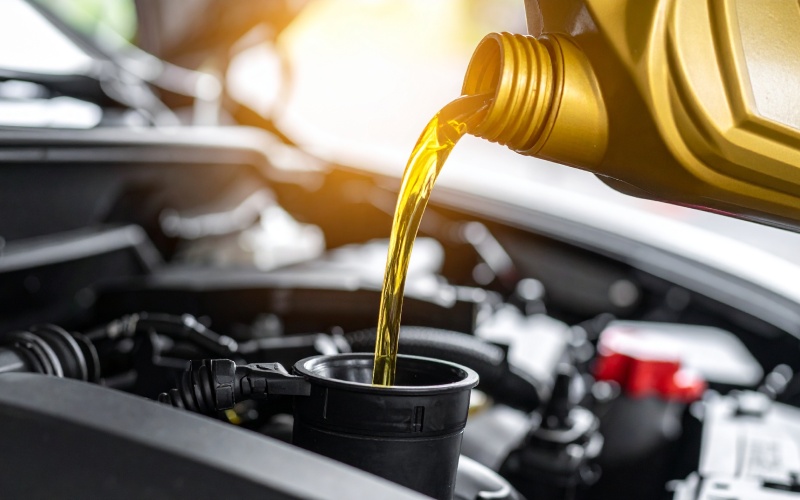
How Conventional and Synthetic Oil Differ
- Base formulation: Conventional oil is mineral-based, while synthetic oil is chemically engineered for more consistent protection.
- Heat resistance: Synthetic oil generally holds up better under higher engine temperatures and demanding driving cycles.
- Cold-start flow: Synthetic oil usually circulates faster during start-up, reducing friction when engine wear can be most noticeable.
- Service interval potential: Synthetic oil may support longer intervals when approved by the manufacturer and driving conditions allow it.
- Engine compatibility: The correct choice depends on the vehicle's requirements, mileage, and maintenance history.

Conventional oil can still be a practical choice for certain older engines, lower-mileage vehicles with manufacturer approval, or drivers who follow shorter oil change intervals. It provides essential lubrication, helps carry contaminants to the filter, and supports basic engine protection. Synthetic oil, however, is often preferred for newer vehicles, turbocharged engines, high-compression designs, and models that need stable protection across a wider range of operating conditions. Synthetic blends sit between the two, offering some synthetic performance benefits while still using a mixed formulation. Around Des Plaines, Rosemont, and nearby northwest suburbs, many vehicles move between quick errands, airport pickups, school runs, and highway commutes. Those mixed conditions can be harder on oil than mileage alone suggests. If your vehicle frequently idles, makes short trips, or carries heavier loads, oil quality becomes especially important. The best decision is not only conventional vs synthetic - it is choosing the correct oil grade, filter, and interval for how your vehicle is actually used.
Which Oil Change Is Better for Your Vehicle?
The better oil change is the one that meets your vehicle's factory specifications and supports your real driving pattern. If your owner's manual requires full synthetic oil, using conventional oil can compromise performance, reduce protection, and create avoidable long-term concerns. If your vehicle allows conventional oil, switching to synthetic may still offer advantages, especially if the engine has higher demands or you want stronger resistance to thermal breakdown. Drivers scheduling service near Rosemont, IL may also own a mix of vehicles, from Mitsubishi SUVs to used Audi, BMW, Mercedes-Benz, Lexus, Land Rover, Porsche, and other pre-owned luxury models. Many of those vehicles have precise oil standards, so guessing can lead to the wrong viscosity or filter type. The service center at Jidd Motors Mitsubishi uses knowledgeable technicians, genuine Mitsubishi parts for Mitsubishi service, and quality components selected for proper fit and function. During an oil change, our team can also check maintenance items such as brakes, filters, belts, battery condition, tire wear, and fluid levels. That matters because oil changes are often the most frequent opportunity to catch small issues before bigger repairs develop. If your engine has oil consumption, seepage, sludge concerns, or a check engine light, an oil change visit can also be the right time to ask for guidance through an inspection or our Ask A Tech resource.

Oil Change Intervals and Local Driving Habits
- Follow the manual: Manufacturer guidance should be the starting point for oil type, viscosity, and timing.
- Track mileage and time: Low-mileage vehicles still need oil service because oil ages and collects moisture over time.
- Consider driving style: Short trips, extended idling, and heavy traffic can require more attentive maintenance.
- Use the right filter: A quality oil filter helps capture contaminants and supports proper oil flow.
- Ask before switching: If your vehicle has high mileage or an unknown service history, a technician can advise on the safest oil choice.
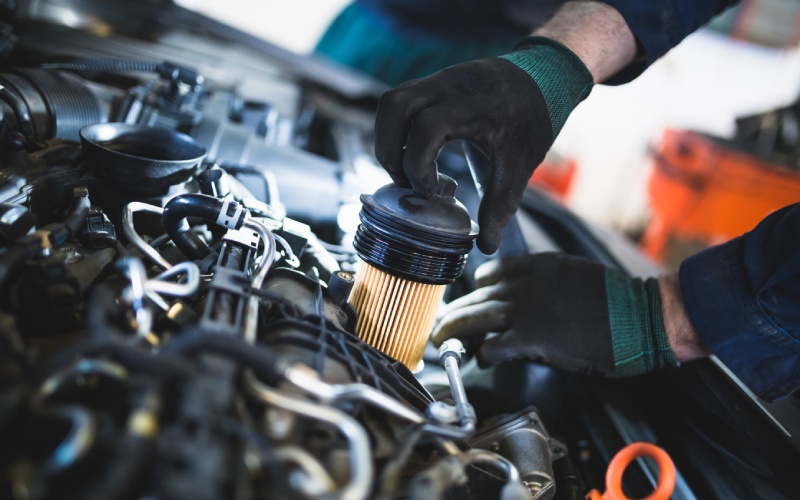
Oil change intervals are not identical for every vehicle. Some engines may need service more frequently, while others with synthetic oil and approved operating conditions may go longer between visits. The key is avoiding both extremes: changing oil too late can increase wear, while changing it too often may not add meaningful benefit when the correct oil is still performing well. Local driving around Rosemont, Des Plaines, Arlington Heights, and the broader O'Hare corridor can include heavy congestion, frequent acceleration, and quick start-stop trips. These patterns may qualify as severe or demanding use in some maintenance schedules, even when daily mileage seems modest. Our service team can review your model, mileage, records, and dashboard maintenance reminders to help set a sensible plan. We also make scheduling easier with online service reservations, and after-hours key drop is available for drivers who need flexible drop-off options. The goal is straightforward: keep oil clean, maintain proper lubrication, and protect engine life without unnecessary guesswork.
FAQ
Can I switch from conventional oil to synthetic oil?
In many vehicles, yes, as long as the synthetic oil meets the manufacturer's viscosity and performance requirements. A technician should review high-mileage engines or vehicles with unknown service history first.
Is synthetic oil always required?
No. Some vehicles allow conventional oil, synthetic blend, or full synthetic. Newer engines and many performance or luxury models often require synthetic oil because of tighter tolerances and higher operating demands.
Does synthetic oil make an engine last longer?
Synthetic oil can support engine longevity when paired with the correct interval, filter, and maintenance routine. It resists breakdown well, but it cannot replace needed inspections or repairs.
What happens if I wait too long for an oil change?
Old oil can lose protective qualities, collect contaminants, thicken, and reduce lubrication. Over time, delayed oil service may contribute to sludge, friction, overheating, poor performance, or internal engine wear.
Schedule Your Next Oil Change With Confidence
A conventional vs synthetic oil change decision should be based on facts, not habit. Conventional oil remains useful for certain vehicles when approved, while synthetic oil offers stronger protection for many modern engines, heavier operating demands, and longer approved service intervals. What matters most is using the correct oil grade, installing a proper filter, checking related systems, and keeping consistent service records. Our certified technicians can service Mitsubishi models and many other makes and models, including EV maintenance needs where applicable, while diesel service is not part of our current service menu. We also support drivers with an onsite parts department, genuine Mitsubishi OEM components, online parts ordering, and efficient turnaround for routine maintenance. If your vehicle is due for an oil change, has a dashboard maintenance message, or simply needs a maintenance review before more mileage accumulates, schedule service with Jidd Motors Mitsubishi today. Our team is ready to help you choose the right oil, understand your interval, and keep your vehicle running at peak efficiency for daily commutes, airport-area trips, family errands, and longer drives throughout the northwest Chicago suburbs.