

Rotor Resurfacing vs. Rotor Replacement near Park Ridge, IL
Rotor Resurfacing vs. Rotor Replacement near Park Ridge, IL
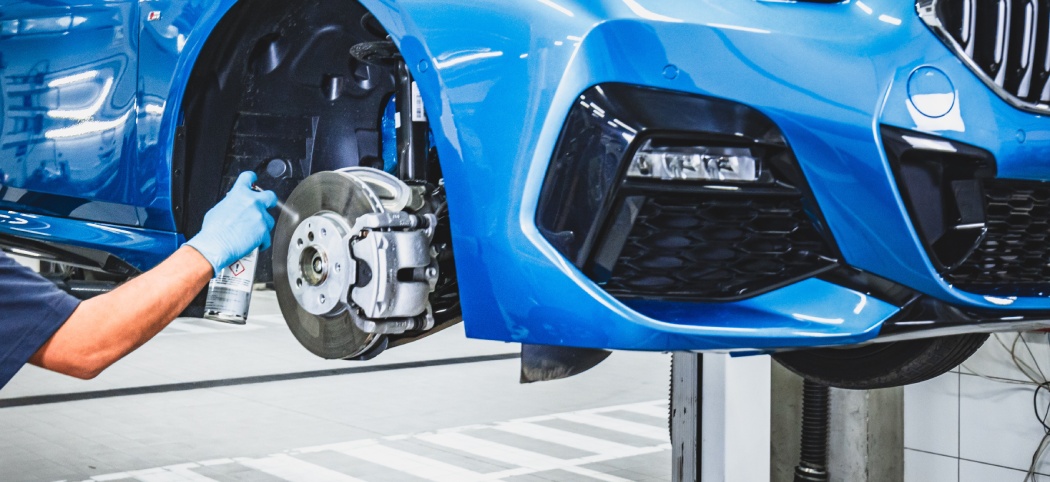
Brake rotors do a simple job under demanding conditions: each time you press the brake pedal, the pads clamp against the rotor faces and convert vehicle motion into heat. Over time, those rotor surfaces can develop grooves, glazing, rust scale, thickness variation, or heat spots that cause vibration, noise, longer stopping distances, or a pulsing pedal. For drivers commuting through Park Ridge, Des Plaines, Niles, and the northwest Chicago suburbs, frequent stop-and-go driving on routes like Touhy Avenue, Dempster Street, and Northwest Highway can make brake condition especially noticeable. Rotor resurfacing, also called machining or turning, removes a thin layer of metal to create a flatter, cleaner braking surface. Rotor replacement installs new rotors, restoring full surface quality and heat capacity. At Jidd Motors Mitsubishi, our certified service technicians inspect braking systems as part of a complete approach that can include pads, rotors, calipers, fluid condition, hardware, and wheel-end components. If you are comparing rotor resurfacing versus rotor replacement near Park Ridge, IL, the right answer depends on rotor thickness, surface condition, vehicle specifications, and how the vehicle feels during braking. A rotor that is still thick enough and structurally sound may be machined, while a rotor at or below its minimum thickness limit must be replaced for safe, consistent braking performance.
When Rotors Can Be Machined Safely
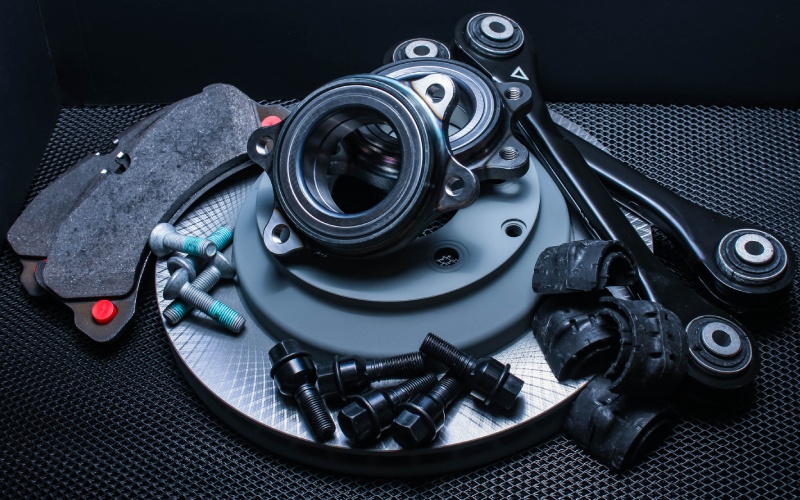
- Enough remaining thickness: The rotor must measure above the manufacturer minimum thickness before and after machining.
- Minor surface wear: Light grooves, pad transfer, glazing, or mild unevenness can often be corrected with resurfacing.
- No major heat damage: Blueing, cracks, hard spots, or severe warping usually point toward replacement instead.
- Correct rotor style: Some thin, lightweight, drilled, slotted, or performance rotors may have limited machining allowance.
- Good overall brake condition: Pads, calipers, slides, and hardware should work properly so the resurfaced rotor wears evenly.
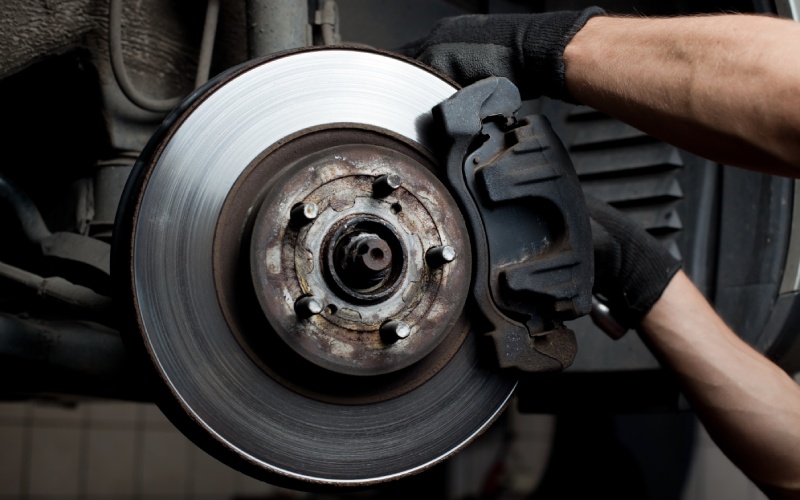
Machining is most useful when the rotor has a serviceable amount of metal left and the braking concern comes from the surface rather than the structure of the rotor. A technician measures thickness with a micrometer at several points, checks lateral runout, and looks for uneven wear across the rotor faces. If the rotor can be cut smoothly without dropping below specification, resurfacing may restore quiet pedal feel and help new brake pads bed in correctly. However, machining is not a shortcut for every brake concern. If a caliper is sticking, if pad hardware is corroded, or if the rotor has already been cut in a previous brake service, resurfacing may only provide temporary improvement. That is why a full inspection matters before any recommendation is made.
Minimum Thickness Limits and Why They Matter
Every brake rotor has a minimum thickness specification, sometimes called discard thickness, that tells technicians the thinnest safe measurement allowed for that specific rotor. This number may be cast, stamped, or engraved on the rotor hat, edge, or service documentation, and it is commonly listed in millimeters or inches. The minimum is not a suggestion; it is an engineering limit tied to heat control, strength, pedal feel, and braking stability. As a rotor gets thinner, it has less mass to absorb and dissipate heat. That can increase brake fade, accelerate pad wear, and make vibration more likely during repeated stops. Jidd Motors Mitsubishi uses proper measuring procedures because visual inspection alone cannot confirm whether a rotor is safely serviceable. A rotor can look acceptable but still be too thin, especially if previous brake work removed material. The key detail is that the rotor must remain above the required limit after resurfacing, not just before it. If machining would take the rotor below its limit, replacement is the correct repair. Thin rotors can also be more prone to cracking, hot spotting, and distortion, particularly on SUVs, crossovers, and vehicles carrying passengers or cargo. For Mitsubishi models such as the Outlander, Eclipse Cross, Outlander Sport, and Outlander PHEV, using the correct rotor specification helps preserve balanced braking and the intended feel of the vehicle’s brake system.
Cost Comparison: Resurfacing vs. Replacement
- Resurfacing cost factors: Machining can reduce parts expense when rotors are still within specification, but labor time and equipment setup still apply.
- Replacement cost factors: New rotors increase parts cost, yet installation can be straightforward when paired with new pads and fresh hardware.
- Long-term value: A replacement rotor may last longer if the old rotor is close to its limit or has already been machined before.
- Brake pad protection: A clean, true rotor surface helps new pads wear evenly and reduces the chance of noise or vibration returning.
- Vehicle-specific fitment: Genuine OEM parts are designed for proper fit, heat performance, and compatibility with the vehicle’s brake system.
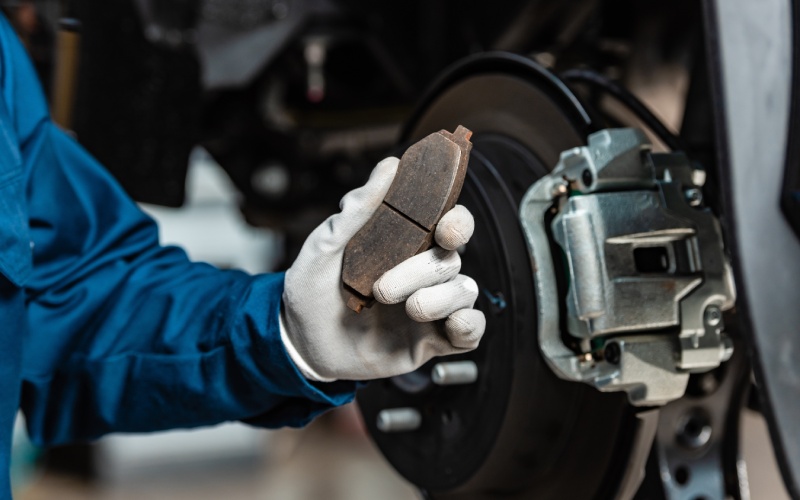
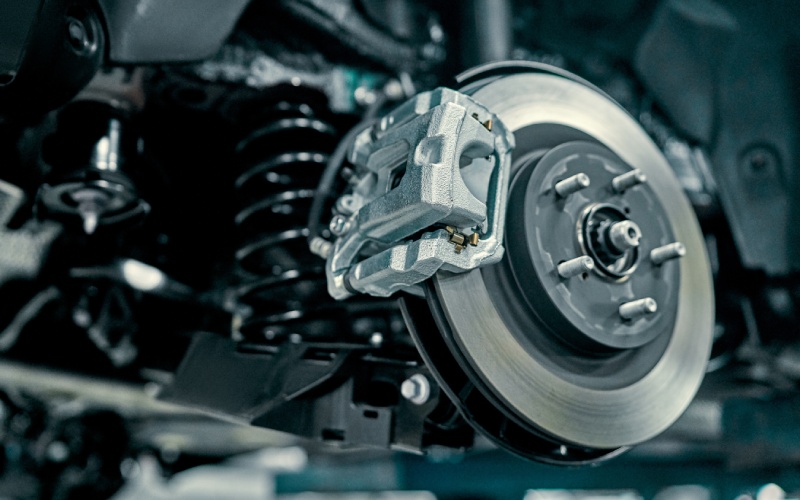
When comparing cost, resurfacing is often the lower upfront path if the rotor qualifies, but it is not always the best value. The thinner the rotor becomes, the less future service life remains. If machining leaves very little usable material above the minimum limit, the brake job may feel good at first but require another repair sooner. Replacement typically costs more upfront because new rotors are installed, yet it restores full rotor surface, improves heat absorption, and creates a strong foundation for new pads. For drivers near Park Ridge, IL who plan to keep a vehicle for many more miles, replacement can be more practical when wear is advanced. Our parts department can help verify the correct components by year, make, model, trim, and vehicle details, which matters because rotor dimensions, coatings, and designs can vary even within the same model family.
FAQ
Can rotors always be resurfaced instead of replaced?
No. Rotors can only be resurfaced if enough thickness remains, the surface damage is minor, and the rotor has no cracks, severe heat spots, structural damage, or excessive runout. If machining would bring the rotor below its minimum thickness limit, replacement is required.
How do I know if my rotors are too thin?
A technician must measure each rotor with a micrometer and compare the readings to the manufacturer specification. The minimum thickness may be marked on the rotor, but accurate measurement at multiple points is needed because rotors can wear unevenly.
Will resurfacing fix brake vibration?
It can, if vibration comes from minor thickness variation or uneven pad material on a rotor that is otherwise healthy. If vibration comes from a warped, heat-damaged, cracked, or undersized rotor, replacement is the better repair.
Should brake pads be replaced when rotors are resurfaced or replaced?
In many cases, yes. New or properly matched pads help protect the fresh rotor surface, improve bedding, reduce noise, and support even stopping performance. Reusing worn or uneven pads can shorten the life of resurfaced or new rotors.
Does rotor replacement improve braking?
Replacement can improve braking feel, smoothness, and heat control when old rotors are worn, grooved, thin, or damaged. New rotors provide a consistent surface for the pads and help the system perform closer to its intended design.
Schedule Professional Brake Service and Rotor Inspection
The best brake decision starts with measurement, not guesswork. If your vehicle has squeaking, grinding, vibration, a pulsing pedal, reduced stopping confidence, or a brake service reminder, a professional inspection can show whether rotor resurfacing is still an option or whether replacement is the safer long-term choice. At Jidd Motors Mitsubishi, we service Mitsubishi vehicles as well as many other makes and models, and our Des Plaines service center handles brake repair, preventive maintenance, OEM parts support, online scheduling, and after-hours key drop convenience. We are located at 1313 Rand Road in Des Plaines, making our service department a convenient choice for drivers near Park Ridge, IL and surrounding northwest suburbs. Our technicians can measure rotor thickness, inspect pads and calipers, check brake hardware, review parts availability, and explain the recommended repair in clear terms before work begins. Whether your Mitsubishi Outlander needs new rotors, your Eclipse Cross has a brake vibration, or your used vehicle needs a complete brake system check, our team is ready to help you maintain confident stopping power. Schedule your brake inspection online or contact our service department to choose a convenient appointment time.