


A Used Jeep Wrangler Setup and Maintenance Playbook for Mount Prospect, IL Drivers
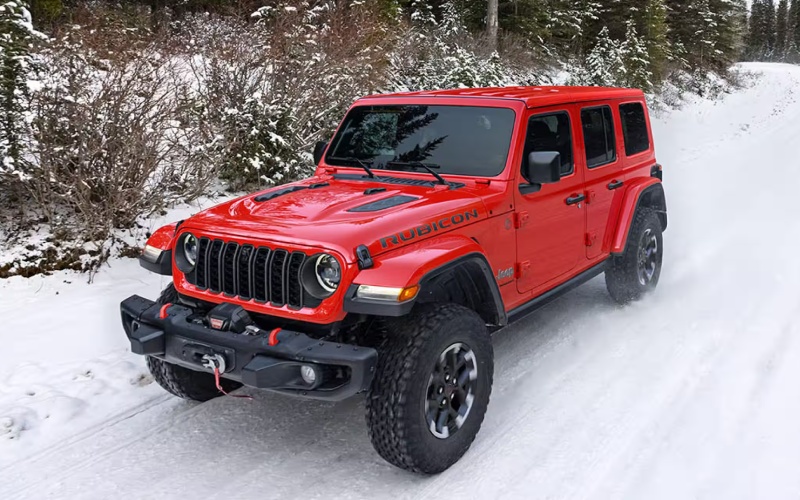
Jidd Motors Mitsubishi – A Used Jeep Wrangler Setup and Maintenance Playbook for Mount Prospect, IL Drivers
Getting a used Jeep Wrangler right from day one is part research, part road test, and part setup. Around Mount Prospect, IL, the sweet spot is finding a Wrangler that feels composed on Rand Road and Northwest Highway while staying true to its trail-ready DNA. This guide breaks down the ownership moves that keep your rig confident, quiet enough for phone calls, and ready when a gravel shoulder or muddy lot pops up. We will focus on practical choices—tires, alignment, gearing, and seals—so the everyday driving experience matches the Wrangler reputation you want.
Dialing in on-road manners without losing trail cred
Straight-line stability starts with alignment and quality tires. If your Wrangler wanders or feels twitchy after bumps, caster is usually the culprit—especially on lifted rigs. Correcting caster with control arms or bracket kits transforms highway tracking and steering return-to-center. Next, pick tires that suit where you drive 80 percent of the time. A quiet, snow-rated all-terrain can provide all-season grip and confidence with less hum than aggressive mud-terrains. Finally, check the balance—bigger tires magnify small imbalances that show up as shakes at 55-65 mph.
Build a smart inspection routine
Wranglers are straightforward to check at home between services. A monthly five-minute walkaround prevents small issues from becoming big ones. After drives on gravel or pothole-strewn streets, peek at the steering linkage, look for fresh rub marks near tires and fenders, and scan the underbody for new seeps.
- Underbody glance: Surface rust is normal—flaking scale near welds or mounts needs a closer look.
- Top and seals: Keep drains clear; clean and treat soft top fabric and zipper tracks before winter.
- Braking check: Listen for squeals; oversized tires benefit from upgraded pads and rotors.
- Wheel torque: Verify after tire rotations or trail days, especially with aftermarket wheels.
- Battery health: Start-stop systems demand a strong battery; test proactively each season.
When you do schedule service, be specific: ask for a steering and suspension inspection with a caster readout, driveline U-joint check, and transfer case shift test. Mention any vibrations with the exact speed range—this detail speeds diagnosis.
Gearing, axles, and drivability
Axle ratio and tire diameter shape how a Wrangler feels at stoplights and on inclines. If a prior owner upsized tires without adjusting gears, you may feel sluggish launches and more downshifts on gentle hills. Regearing restores zip, lowers mechanical strain, and can even sharpen shift logic on automatics. While you are under the vehicle, note axle types and any locker or limited-slip hardware. Functional off-road pieces add value, but only when they operate properly and without leaks.
Lift kits—the good, the bad, and what to measure
Lifted Wranglers can drive beautifully when engineered as a system. Look for brand-name components, front lower control arms or brackets to correct caster, extended brake lines, and matching shocks. Avoid sky-high lifts on stock steering—geometry suffers. After any suspension work, insist on a professional alignment that includes caster, not just toe. If the steering wheel is off-center, re-adjust the drag link. A centered wheel, correct caster, and balanced tires are the trifecta for calm highway manners.
Quieting the cabin the right way
Wind and panel whistles typically trace back to seals or latches, not the boxy shape alone. Replace aged door and hardtop seals, re-seat Freedom Panels, and ensure all fasteners are torqued to spec. For soft tops, maintain fabric and clean the rear window with proper plastic-safe products to avoid haze. If you carry a roof rack, check crossbar position—moving bars a few inches can reduce wind resonance at common cruising speeds.
Budget for fluids—and stick to it
Wranglers are happiest when transfer case, differential, transmission, and engine oil changes occur on time. Severe-use intervals apply if your streets include frequent stop-and-go, short trips, or heavy accessory loads. Verify fluid health before long trips and after any deep-water crossings; milky fluid is a red flag for intrusion. A quick peek at diff covers and drain plugs tells a story about care. Metallic glitter or heavy sludge deserves immediate attention.
Frequently Asked Questions:
How often should I rotate Wrangler tires?
Every 5,000 to 6,000 miles is a solid target, especially with larger all-terrains. Rotate the spare when matching sizes to even out wear.
Which Wrangler trims are best for daily life?
Sahara models ride well with street-friendly tuning; Rubicon excels off-road but can be just as calm on-road with correct alignment and tire choice.
What’s the fastest way to reduce steering wander?
Get a full alignment including caster, inspect the track bar and tie-rod ends, and confirm tire pressures match the load and tire spec.
Are mild lifts worth it?
Yes—with the right geometry corrections. A 1.5 to 2.5-inch system using quality parts preserves drivability while adding clearance and stance.
Can a hardtop leak be fixed reliably?
Usually. Replace tired seals, reseat panels, confirm latch tension, and verify cowl drains are clear to keep water away from seams.
Your local advantage when you are ready to shop
When you want a second set of eyes, align your checklist with a shop that inspects Wranglers weekly. Bring questions, prior work receipts, and your typical drive profile. A test route that mixes 35-60 mph segments, lane changes, and light braking will reveal most issues fast. If the vehicle carries a lift, ask for before-and-after alignment numbers. For wiring-heavy builds—lights, winch, and audio—confirm tidy routing and proper fuse protection.
Once your short list is set, review history reports, verify recall completion, and budget for a baseline service. One thorough visit can put your Wrangler on a maintenance clock you can trust. Jidd Motors Mitsubishi is here to help review gear ratios, identify axle hardware, and advise on practical upgrades that keep daily driving composed. We are proudly serving Palatine, Mount Prospect, and Glenview with straightforward guidance and test routes that highlight real-world drivability, not just spec sheets.
0 comment(s) so far on A Used Jeep Wrangler Setup and Maintenance Playbook for Mount Prospect, IL Drivers